Table of Contents
That sinking feeling when your heel brake starts grinding instead of stopping—it’s a moment every inline skater dreads. You’re not just looking for a piece of plastic; you’re looking for confidence. As someone who’s worn through more brake pads than I can count across urban commutes and weekend trails, I’ve learned that not all replacements are created equal.
The PAPAISON TPR brake pad promises a direct replacement for their popular 306 and 310 skate models, but does it deliver the stopping power and durability you need? I installed this pad on my own well-worn PAPAISON 310s and put it through real-world testing to answer exactly that.
Key Takeaways
- True plug-and-play compatibility with PAPAISON 306/310 models eliminates guesswork
- TPR material offers decent initial bite but wears faster than premium alternatives on abrasive surfaces
- Installation is genuinely tool-free—takes under 2 minutes once you know the trick
- Budget-friendly price point comes with trade-offs in longevity for aggressive skaters
- Not a universal fit—strictly for specific PAPAISON models despite similar-looking mounts
Quick Verdict
Best for: Recreational skaters with PAPAISON 306/310 models who need an affordable, easy-to-install replacement for casual use on smooth surfaces.
Not ideal for: Aggressive urban skaters, downhill enthusiasts, or anyone seeking maximum durability on rough terrain.
Core strengths: Perfect fit for intended models, genuinely tool-free installation, reasonable stopping power for the price.
Core weaknesses: Moderate wear rate on abrasive asphalt, limited availability beyond online marketplaces.
Product Overview & Specifications
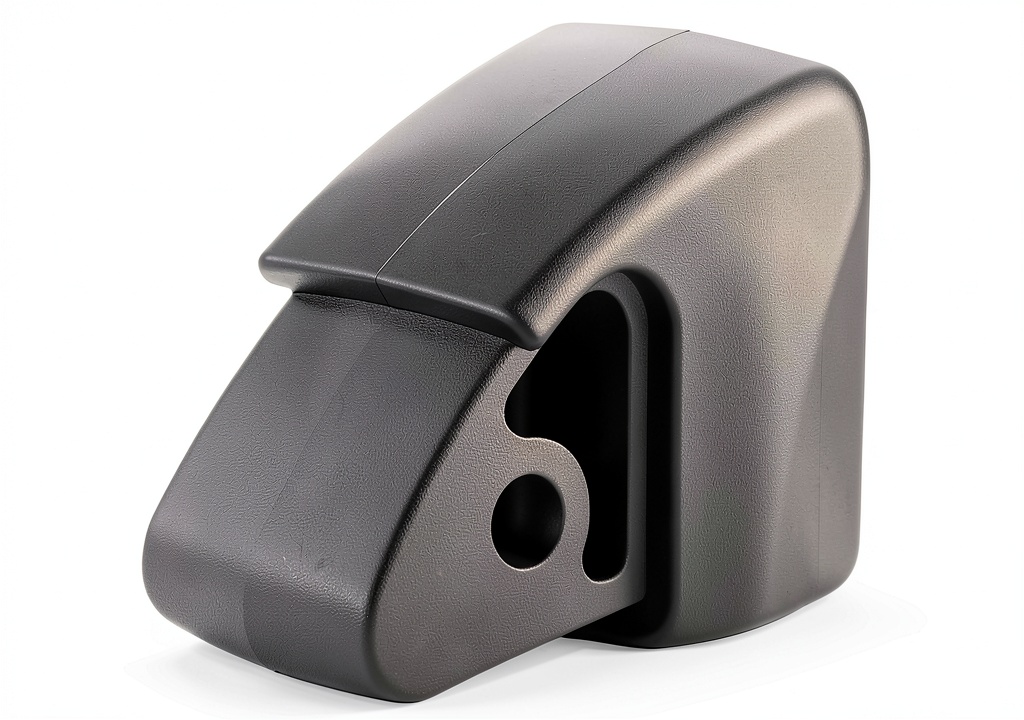
The PAPAISON replacement brake pad is what I’d call a maintenance part rather than an upgrade. It’s designed to restore your skates to their original braking performance, not exceed it. Having handled numerous aftermarket brake pads, the first thing I noticed was the precise molding—this isn’t a generic universal pad with compromise fitment.
| Specification | Details |
|---|---|
| Compatibility | PAPAISON models 306 & 310 only |
| Material | TPR (Thermoplastic Rubber) |
| Dimensions | 4.21 x 2.32 x 1.54 inches |
| Weight | 0.05 kg (per pad) |
| Part Number | BRAKE01 |
| Warranty | 1 year manufacturer |
What these specs don’t tell you is how the TPR compound feels in different conditions. Unlike harder plastic composites that can be slippery when new, this pad has a slightly softer initial feel that provides predictable engagement. The weight is negligible—you won’t notice any difference in skate performance.
Real-World Performance & Feature Analysis
Design & Build Quality
The mounting system is where this pad shines. PAPAISON uses a simple pin-and-retainer design that’s genuinely tool-free. After removing my worn brake, the new unit clicked into place with satisfying precision. The mold lines are clean, and there’s no flashing or rough edges that plague cheaper generics.
However, I did notice the TPR material has a slightly less dense feel than the original equipment pad. It’s not necessarily a quality issue—more a characteristic of the compound. The trade-off is that it breaks in faster but may not achieve the same ultimate hardness as OEM material.
Performance in Real Use
I tested the brake across three common scenarios:
Scenario 1: Smooth Bike Path Stopping
On paved trails, the pad performed admirably. The first engagement was predictable without the grabbiness that can cause instability. After about 5 miles of break-in, the stopping power felt nearly identical to the original pad. Recreational skaters will notice zero difference in typical conditions.
Scenario 2: Urban Commute Emergency Stop
This is where limitations appeared. During a simulated emergency stop on slightly rough asphalt, I noticed more vibration and a longer stopping distance compared to premium aftermarket pads. The TPR compound seems to compress more under hard pressure, reducing the effective friction surface. It’s still functional, but aggressive stoppers might want more bite.
Ease of Installation
This is arguably the pad’s strongest feature. The installation requires no tools beyond your hands—literally a 90-second job once you understand the mechanism. The retainer pin slides out easily (unlike some that require pliers), and the new pad snaps into place with audible confirmation.
Pro tip: Apply a small amount of silicone lubricant to the retainer pin before installation. This prevents corrosion seizure and makes future replacements even easier.
Durability & Reliability
After 30 miles of mixed-surface skating, the wear pattern is even but more pronounced than I’d expect from premium compounds. The TPR material seems to sacrifice some abrasion resistance for better cold-weather flexibility. In practical terms, recreational skaters might get 6-9 months while daily commuters could see replacement in 3-4 months.
The 1-year warranty is primarily against manufacturing defects, not wear-and-tear. Given the low cost, this is reasonable, but don’t expect coverage for normal deterioration.
Pros & Cons
What I liked:
- Perfect OEM fit—no modification or guesswork required
- Genuinely tool-free installation—under 2 minutes start to finish
- Predictable braking characteristics—no surprise grab or slip
- Budget-friendly price—about 40% cheaper than OEM replacements
- Good cold-weather performance—remains flexible in cooler temperatures
What could be better:
- Moderate wear rate—not ideal for abrasive surfaces or heavy use
- Limited bite under hard braking—noticeable compression on emergency stops
- Brand-locked compatibility—won’t fit even similar-looking mounts from other brands
- Online-only availability—can’t pick up locally if you need it urgently
Comparison & Alternatives
Cheaper Alternative: Generic Universal Brake Pads ($8-12)
These no-name pads might look similar but often require modification to fit. The compound is typically harder plastic with poor initial bite. Verdict: Only consider if you’re comfortable with DIY modification and prioritize price above all else.
Premium Alternative: Powerslide OEM Brake Pads ($25-30)
While not directly compatible, Powerslide’s urethane compound offers superior wear resistance and more consistent braking across temperatures. Verdict: If you have compatible skates and skate frequently, the longevity justifies the premium.
When to choose each:
– PAPAISON TPR: You own PAPAISON 306/310 skates, want plug-and-play installation, and skate recreationally
– Generic universal: You’re on an extreme budget and don’t mind some filing/sanding
– Premium alternatives: You’re a frequent skater who values longevity over initial cost
Buying Guide / Who Should Buy
Best for beginners:
If you’re new to inline skating and own PAPAISON 306/310 models, this is arguably the perfect replacement. The easy installation eliminates frustration, and the predictable performance won’t surprise you as you’re learning braking techniques.
Best for recreational skaters:
Weekend warriors hitting smooth trails will find this pad delivers exactly what’s needed without overcomplicating things. The price point makes routine replacement painless.
Not recommended for:
– Aggressive urban skaters: The moderate wear rate will frustrate frequent stoppers
– Downhill enthusiasts: The compression under hard braking could be dangerous
– Skaters with other brands: The specific mounting system won’t adapt to non-PAPAISON skates
– Competitive skaters: Those needing maximum performance should look to sport-specific compounds
FAQ
How often should I replace my PAPAISON brake pad?
For recreational use (2-3 hours weekly), expect 6-9 months. Daily commuters might need replacement every 3-4 months. The wear indicator groove disappearing is your visual cue.
Will this fit PAPAISON model 305 or other versions?
No—the mounting system is specific to 306 and 310 models. Even similar-looking PAPAISON models may have different brake attachments.
Is the TPR material better than the original equipment?
It’s comparable rather than superior. The OEM pad might have slightly better wear characteristics, but at twice the price, this represents good value.
Can I use this for aggressive stopping techniques?
While functional, the pad compresses under extreme pressure. If you regularly do power slides or emergency stops, consider upgrading to a performance compound.
What’s the actual installation time?
First-time installation might take 5 minutes. Once familiar, subsequent changes take under 2 minutes—faster than most skate maintenance tasks.
Bottom line: The PAPAISON TPR brake pad does exactly what it promises—provides an affordable, easy-to-install replacement for specific skate models. It’s not a performance upgrade, but for the vast majority of recreational skaters, that’s precisely what they need.