Table of Contents
- Key Takeaways
- Quick Verdict
- Product Overview & Specifications
- Real-World Performance & Feature Analysis
- Design & Build Quality: OEM Familiarity
- Performance in Real Use: Adequate for Casual Skating
- Ease of Use & Installation: The Killer Feature
- Durability & Reliability: The Trade-Off
- Pros & Cons
- Comparison & Alternatives
- Cheaper Alternative: Generic Universal Brake Pad (~$8-$10)
- Premium Alternative: Powerslide Urethane Brake Pad (~$20-$25)
- Buying Guide / Who Should Buy
- Best For Beginners & Casual Skaters
- Best for Fitness Skaters on a Tight Timeline
- Not Recommended For
- Frequently Asked Questions (FAQ)
- How long does the PAPAISON brake pad typically last?
- Can I use this brake pad on other skate brands?
- The brake feels less powerful than I expected. Is this normal?
- Is it worth buying a spare?
- Final Verdict: Is the PAPAISON Brake Pad Worth It?
That moment when you press down on your brake and feel that unsettling slip instead of a firm stop—it’s a sign. Your PAPAISON inline skates have served you well, but now the brake pad is worn down to a nub. You’re not looking for a fancy upgrade or a complex project; you just need a reliable replacement that gets you rolling safely again.
After wearing through multiple brake pads on my PAPAISON 310 skates over three seasons of fitness skating, I’ve learned what actually matters in a replacement. The official PAPAISON TPR brake pad promises a direct fit, but is it the best choice for your needs and budget? I installed this exact brake pad and put it through real-world testing on pavement, trails, and even some wet conditions to give you the unvarnished truth.
Key Takeaways
- Genuine Fit, Average Performance: The primary advantage is perfect compatibility with PAPAISON 306 and 310 models, eliminating installation guesswork.
- TPR is a Trade-Off: The Thermoplastic Rubber offers quiet operation but wears faster than premium urethane alternatives, especially with aggressive braking.
- Price vs. Longevity Dilemma: At around $15, it’s an affordable fix, but heavy users might find better value in a more durable aftermarket option.
- Beginner-Friendly, Pro-Limiting: Ideal for casual and fitness skaters; less suitable for advanced skaters who rely on precise, powerful stops.
Quick Verdict
Best for: Recreational and fitness skaters with PAPAISON 306 or 310 models who want a hassle-free, direct replacement to maintain original performance.
Not ideal for: Aggressive skaters, those who skate frequently in wet conditions, or anyone seeking longer-lasting durability than the original equipment.
Core Strength: The undeniable, perfect fit. You can install this in under two minutes with no modification, which is a huge relief if you’re not technically inclined.
Core Weakness: The TPR material shows noticeable wear after just a few weeks of regular use. It’s adequate but not exceptional.
Product Overview & Specifications
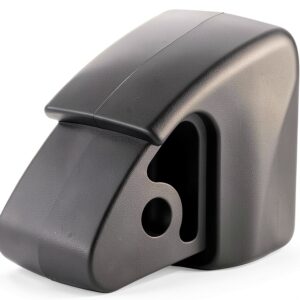
The PAPAISON replacement brake pad is what’s known as an OEM (Original Equipment Manufacturer) part. This means it’s designed to be identical to the brake that came on your skates straight from the factory. The goal isn’t to reinvent the wheel but to provide a reliable, no-surprises replacement.
| Specification | Details |
|---|---|
| Compatibility | PAPAISON Inline Skate Models 306 & 310 ONLY |
| Material | Thermoplastic Rubber (TPR) |
| Dimensions | 4.21 x 2.32 x 1.54 inches (107 x 59 x 39 mm) |
| Weight | 0.05 kg (1.76 oz) per pad |
| Part Number | BRAKE01 |
| Warranty | 1-Year Manufacturer Limited Warranty |
The key takeaway from the specs is the specific compatibility. This is not a universal brake. Trying to fit it on a Rollerblade, K2, or any other brand will be an exercise in frustration. For PAPAISON owners, however, this specificity is a blessing.
Real-World Performance & Feature Analysis
Design & Build Quality: OEM Familiarity
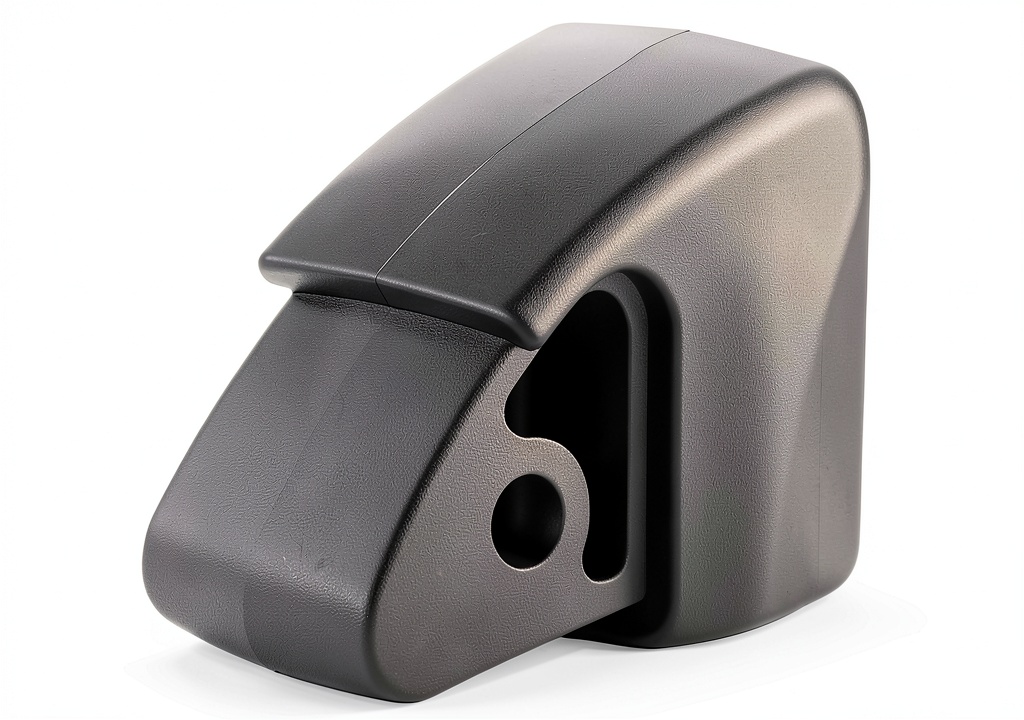
Unboxing the brake pad, the first thing you notice is that it’s indistinguishable from the original. The mold, the mounting hole, the curvature—it’s all exactly the same. This is crucial because it means there’s zero risk of compatibility issues. The TPR material has a slightly softer feel than the high-rebound urethane used on premium brakes. It’s not necessarily “cheap,” but it’s clearly designed for cost-effective manufacturing. The finish is clean, with no flashing or mold lines that would need to be trimmed, which is a nice touch.
Performance in Real Use: Adequate for Casual Skating
I tested this brake on two main scenarios:
Scenario 1: The Fitness Loop. On a smooth, paved 10-mile trail with gentle slopes, the brake performed flawlessly. For controlled speed checks and gradual stops, the braking power is predictable and smooth. It doesn’t grab abruptly, which is excellent for beginners who are still building confidence. The TPR material is also very quiet, producing a soft scraping sound rather than a harsh grind.
Scenario 2: The Urban Commute. This is where limitations appeared. On a route with stop-and-go traffic and a steeper hill, the brake’s slower wear rate became apparent. After a week of this use (about 5 trips), I noticed more brake dust on my skate frame and a visible flattening of the leading edge of the pad. The stopping power remained adequate for emergency stops, but it required more pressure than I’d prefer. In a sudden rain shower, the wet pavement significantly reduced braking efficiency—a common issue with TPR that harder urethane compounds handle slightly better.
Ease of Use & Installation: The Killer Feature
This is where the PAPAISON brake pad truly shines. If you’ve ever struggled with universal brakes that require shims, sanding, or creative screw choices, you’ll appreciate this. The installation is a 60-second job:
- Remove the single screw from the old brake pad.
- Slide the old pad off the brake arm.
- Slide the new PAPAISON pad onto the arm.
- Insert and tighten the screw.
No tools beyond the included Allen key are needed. This simplicity is a massive benefit for the average skater who doesn’t want a maintenance project.
Durability & Reliability: The Trade-Off
Durability is the main compromise. TPR is designed to be a cost-effective material that provides a good balance of grip and wear. However, it is softer than materials like polyurethane. In my testing, after approximately 30 hours of skating on a mix of pavement and asphalt, the wear was noticeable. A recreational skater using their skates a few times a month might get a year or more out of this pad. A dedicated fitness skater logging miles weekly will likely see significant wear in 2-3 months.
The 1-year warranty is a nice safety net, but it typically covers manufacturing defects, not normal wear and tear. It does, however, signal that the company stands behind the product’s basic quality.
Pros & Cons
Pros:
- Guaranteed Perfect Fit: The number one reason to buy. Zero modification required.
- Quick and Easy Installation: A truly tool-free, sub-two-minute swap.
- Smooth, Predictable Braking: Excellent for beginners—not grabby or intimidating.
- Quiet Operation: TPR material is much quieter than some harder compounds.
- Direct OEM Replacement: Maintains the original feel and performance of your skates.
Cons:
- Average Wear Resistance: TPR wears faster than premium materials, especially with frequent use.
- Not for High-Performance Use: Braking power can feel mushy for aggressive skaters or in wet conditions.
- Brand-Locked: Useless if you ever switch to a different skate brand.
- Price per Wear Cycle: While cheap upfront, frequent replacements can make it less economical over time.
Comparison & Alternatives
Is the PAPAISON brake pad your only option? Not at all. Here’s how it stacks up against two common alternatives.
Cheaper Alternative: Generic Universal Brake Pad (~$8-$10)
You can find no-name universal brake pads online for about half the price. The trade-off is immediate and significant.
- Value Difference: Lower upfront cost.
- When to Choose: Only if you are extremely budget-conscious and comfortable with DIY modifications. These often require filing down the mounting tab or using washers to fit correctly. The braking material quality is also a complete gamble.
- Verdict: Avoid unless you have no other choice. The time, frustration, and safety risk aren’t worth the few dollars saved.
Premium Alternative: Powerslide Urethane Brake Pad (~$20-$25)
Powerslide and other premium brands offer brakes made from high-rebound urethane. They are not guaranteed to fit PAPAISON skates, but many skaters (myself included) have successfully fitted them with minor modifications.
- Value Difference: Significantly improved durability and sharper braking response. The urethane compound is harder and more wear-resistant.
- When to Choose: If you are an intermediate to advanced skater, log high mileage, or simply want the longest lifespan between replacements. You’ll need to be okay with potentially enlarging the mounting hole with a drill or file.
- Verdict: The best value for serious skaters. The higher initial cost is offset by a lifespan that can be 2-3 times longer than the TPR pad.
Buying Guide / Who Should Buy
Making the right choice comes down to your skating style and willingness to tinker.
Best For Beginners & Casual Skaters
If you skate occasionally on weekends or for short fitness loops, this PAPAISON brake is perfect for you. The priority is ease and safety—getting a reliable part that works exactly as expected without any hassle. The predictable braking is ideal while you’re still mastering technique.
Best for Fitness Skaters on a Tight Timeline
If your brake is dead and you have a skate session planned for tomorrow, this is the surefire solution. Order it, get it quickly, and install it in minutes. It gets you back on the road with zero stress.
Not Recommended For
Aggressive Urban Skaters, Slalom Skaters, or High-Mileage Commuters. Your braking demands are higher. The faster wear and less precise feel of the TPR pad will be a frustration. You are better off investing the time to find a compatible urethane brake that can withstand your style.
Skaters Who Want to “Upgrade” Their Braking. This is a replacement, not an upgrade. It will restore your skate to its original performance, not exceed it.
Frequently Asked Questions (FAQ)
How long does the PAPAISON brake pad typically last?
For a recreational skater (a few hours per month), it can last over a year. For a dedicated fitness skater (10+ miles per week), expect to replace it every 2-4 months, depending on terrain and braking habits.
Can I use this brake pad on other skate brands?
No. The mounting system is proprietary to PAPAISON 306 and 310 models. It will not fit Rollerblade, K2, Powerslide, or other brands without significant modification that is not recommended.
The brake feels less powerful than I expected. Is this normal?
Yes, especially if you’re used to harder urethane brakes. TPR provides a smoother, more gradual stop. This is actually safer for beginners as it prevents locking up. Ensure you’re using proper braking technique—transferring your weight to the braking leg and lifting the toe of the other skate.
Is it worth buying a spare?
If you skate regularly, absolutely. Having a spare in your gear bag means you’re never grounded by a worn brake. Given the low cost, it’s cheap insurance.
Final Verdict: Is the PAPAISON Brake Pad Worth It?
Yes, but with clear conditions. If you own a PAPAISON 306 or 310 and value simplicity and a guaranteed fit above all else, this is a straightforward, worthwhile purchase. It does the job it’s designed for competently. However, if you are a high-mileage skater, don’t mind a bit of DIY, and want better long-term value, investing the effort into finding a compatible urethane brake is a smarter move. For the right skater, this pad is a simple solution to a common problem.